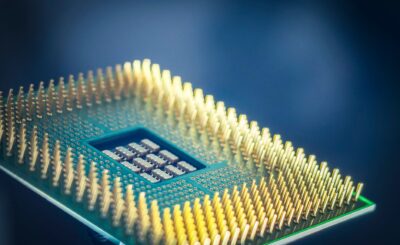
Samsung memory deals are transforming the tech landscape as AI demand skyrockets. This surge highlights the growing need for advanced chips and the ongoing chip shortage affecting various industries.
Understanding the Chip Shortage
The ongoing chip shortage has become a significant challenge for various industries, particularly as the demand for artificial intelligence (AI) technologies surges. This scarcity is largely driven by increased production needs for advanced processing units and memory components, which are essential for AI applications.
Samsung, a leading player in the semiconductor market, has strategically responded to this crisis by securing substantial memory deals. These agreements not only aim to stabilize their supply chain but also to cater to the growing requirements of AI-driven innovations.
Several factors contribute to the current chip shortage:
- Increased Demand: The rise of AI and machine learning applications leads to a higher need for memory solutions.
- Supply Chain Disruptions: Global events have impacted manufacturing and logistics, exacerbating the shortage.
- Technological Advancements: Rapid advancements in technology require more sophisticated chips, further straining available resources.
As companies like Samsung navigate this landscape, securing memory deals becomes a smart move to meet both current and future demands.
How AI is Driving Demand
The rise of artificial intelligence (AI) technologies has led to an unprecedented demand for high-performance memory solutions. As companies increasingly rely on AI to enhance their operations, the need for robust memory capabilities has surged. This trend has directly influenced the market, prompting major players like Samsung to secure significant memory deals.
Several factors contribute to this growing demand:
- Increased Data Processing: AI applications require extensive data analysis, necessitating faster and larger memory units.
- Machine Learning Growth: As machine learning algorithms evolve, they require advanced memory solutions to store and process vast datasets efficiently.
- Cloud Computing Expansion: The shift towards cloud-based AI services demands powerful memory resources, driving companies to seek out Samsung memory deals.
Moreover, industries ranging from healthcare to finance are investing heavily in AI, further escalating the need for reliable memory solutions. As Samsung continues to adapt to these market demands, its memory deals are expected to play a pivotal role in shaping the future of AI technology.
Samsung’s Strategic Partnerships
Samsung has been actively forging strategic partnerships to enhance its position in the memory market. These collaborations are crucial as the demand for memory chips grows, particularly due to the increasing reliance on AI technologies. By aligning with key players in various industries, Samsung aims to ensure a steady supply of memory solutions to meet the surging needs of AI applications.
Recently, the tech giant announced several significant deals aimed at bolstering its memory production capabilities. These Samsung memory deals are expected to provide the company with the resources necessary to scale up operations and innovate in memory technology.
In addition to expanding production, these partnerships allow Samsung to tap into new markets and technologies. The focus on collaboration has positioned Samsung not only as a leader in memory solutions but also as a vital player in the evolving landscape of AI and machine learning.
As the chip shortage continues to affect various sectors, Samsung’s strategic initiatives could provide a much-needed lifeline, ensuring that the memory supply chain remains robust and responsive to future demands.
The Impact on Tech Industry
The recent surge in demand for AI technology has significantly impacted the tech industry, creating both challenges and opportunities. With companies scrambling to acquire essential components, Samsung memory deals have emerged as a vital solution to the ongoing chip shortage.
As organizations increasingly integrate AI into their operations, the reliance on high-performance memory chips has skyrocketed. This has prompted leading manufacturers, like Samsung, to ramp up production and secure long-term contracts. The result is a competitive market where memory deals are not only strategic but essential for maintaining technological advancement.
Furthermore, the ripple effect of these memory deals is felt across various sectors. From data centers to mobile devices, the availability of Samsung’s advanced memory solutions can enhance system performance and efficiency.
In summary, the tech industry’s evolution in response to AI demand highlights the crucial role of memory chips, with Samsung positioning itself as a key player in navigating this dynamic landscape.
Future of Memory Chips
The future of memory chips looks promising as advancements in technology continue to propel the demand for high-performance components. With sectors like artificial intelligence and machine learning driving this growth, companies are now prioritizing Samsung memory deals to secure their supply chains. As AI applications require vast amounts of data processing and storage, memory chips are becoming essential for both consumer electronics and enterprise solutions.
Samsung, as a leader in the semiconductor industry, is well-positioned to capitalize on this trend. With significant investments in research and development, the company is enhancing its production capabilities to meet the increasing need for advanced memory solutions. Analysts predict that the global demand for memory chips will continue to rise, especially as AI technology becomes more integrated into everyday devices.
- Enhanced performance for AI applications
- Increased collaboration between tech giants
- Focus on sustainable and efficient manufacturing practices
In this evolving landscape, securing favorable Samsung memory deals will be crucial for companies looking to stay competitive.
Challenges in Chip Production
The semiconductor industry faces numerous challenges that impact the production of memory chips, which are crucial for meeting the rising demand driven by AI technologies. One significant issue is the global supply chain disruptions that have affected many sectors, including the production of electronics. The ongoing fallout from the pandemic has resulted in logistical delays and shortages of essential raw materials.
Additionally, the complexity of manufacturing advanced memory chips requires substantial investments in technology and infrastructure. Companies like Samsung are committed to overcoming these obstacles to fulfill the increasing demand for memory products. However, the fluctuating costs of materials and energy can strain production budgets.
Despite these challenges, Samsung is actively pursuing memory deals to ensure a steady supply of chips. This strategic move not only positions the company favorably in the market but also addresses the pressing needs of industries relying on AI innovations. As Samsung navigates these hurdles, the importance of securing advantageous Samsung memory deals becomes increasingly clear.
Economic Effects of AI Growth
The rapid growth of artificial intelligence (AI) has significant economic implications, particularly in the semiconductor industry. As businesses increasingly integrate AI technologies, the demand for high-performance memory chips has surged. This trend is exemplified by the recent Samsung memory deals, which reflect the company’s commitment to meeting the needs of this burgeoning market.
As companies rush to adopt AI solutions, they are investing heavily in infrastructure, leading to increased spending on memory components. This demand has resulted in tighter supply chains, exacerbating the ongoing chip shortage that has affected numerous sectors.
Moreover, the economic ripple effects are felt beyond just tech companies; industries reliant on AI capabilities, such as healthcare and automotive, are also impacted. The urgency to secure reliable memory solutions has prompted firms to enter long-term agreements with manufacturers like Samsung, ensuring they remain competitive in a rapidly evolving landscape.
In summary, the economic effects of AI growth are reshaping market dynamics, making Samsung memory deals not just advantageous, but essential for sustaining innovation.
What This Means for Consumers
With the surge in AI demand, Samsung memory deals are becoming increasingly significant for consumers looking to upgrade their devices. As manufacturers ramp up production to meet the requirements of AI technologies, the availability of high-quality memory chips is paramount. This situation presents both opportunities and challenges for everyday users.
On one hand, consumers can benefit from competitive pricing and promotions as companies vie for market share in the growing tech landscape. As Samsung secures massive memory deals, it is likely that these savings will trickle down to consumers, making advanced technology more accessible.
On the other hand, the ongoing chip shortage can also lead to fluctuations in pricing and availability. Users may find that certain products are in high demand, resulting in potential delays or increased costs for upgrades.
Ultimately, understanding the dynamics of Samsung memory deals can empower consumers to make informed choices, ensuring they can take advantage of the latest innovations while navigating the complexities of a rapidly evolving market.
As companies increasingly rely on advanced AI technologies, Samsung memory deals provide an opportunity to upgrade essential hardware at competitive prices. Investing in these Samsung memory deals can significantly enhance performance and efficiency for AI-driven applications.
By shankar s. via Openverse