digital game ownership is at the forefront of a new legislative push. A congressman is introducing a bill aimed at eliminating digital game licenses, advocating for total ownership for players.
Understanding Digital Game Ownership
Digital game ownership has become a pressing issue in the gaming community. As more players transition from physical copies to digital downloads, the question of true ownership arises. Unlike traditional games that can be bought and resold, digital games are typically licensed rather than owned outright.
Many consumers feel that they should have the same rights over their digital games as they do with physical copies. This sentiment has gained traction, prompting lawmakers to take action. A congressman is now advocating for a bill that seeks to eliminate digital game licenses, allowing players to have full ownership of their digital titles.
This proposed legislation highlights several key points:
- Ownership Rights: Players should have the right to fully own their digital games without restrictions.
- Resale Opportunities: Users should be able to sell or trade their digital games as they would physical copies.
- Consumer Protection: Clear regulations are necessary to protect gamers’ interests in the digital marketplace.
The Impact of Digital Licenses
The introduction of digital licenses has significantly altered the landscape of digital game ownership, raising questions about players’ rights. Players often purchase games with the understanding that they own them, but in reality, they are merely acquiring a license to access the content.
This distinction has major implications for consumers. When a game is tied to a platform, players may lose access to their games if the platform shuts down or if the publisher decides to revoke licenses. This has sparked a debate about the need for more robust consumer protections.
Supporters of stronger rights argue that consumers should have the ability to truly own their digital games, similar to physical copies. Legislation is being proposed to address these concerns, advocating for a shift from temporary access to permanent ownership.
As the gaming industry evolves, the conversation around digital game ownership and the rights of consumers will continue to shape the future of gaming.
Why Players Want Total Ownership
As the landscape of gaming evolves, the desire for total ownership of digital games has become increasingly prevalent among players. Many gamers feel that when they purchase a game, they should have full rights to it, similar to physical copies. This sentiment is driven by several factors:
- Investment Protection: Players invest significant amounts in their digital libraries, and they seek assurance that their purchases will remain accessible.
- Control Over Content: Without total ownership, gamers face restrictions on how they can use, share, or resell their games.
- Long-term Access: Players want the guarantee that they can enjoy their games even if the platform ceases to exist or if the game is removed from digital storefronts.
- Fairness and Rights: Many believe that consumers should have the same rights for digital game ownership as they do for physical media, advocating for fairness in the gaming industry.
This growing demand for digital game ownership reflects the changing expectations of players in a digital world.
Key Points of the Proposed Bill
The proposed bill aims to address the growing concern over digital game ownership by establishing clear rights for consumers. Here are the key points:
- Elimination of Digital Licenses: The bill seeks to abolish the current digital license agreements that restrict how gamers can use their purchased content.
- Transferability: Players will have the ability to transfer their digital games to other users, similar to physical game ownership.
- Resale Rights: The legislation would allow gamers to sell or trade their digital games, enabling a secondary market.
- Full Ownership: Consumers will have the right to own their digital games outright, free from the limitations imposed by publishers and platforms.
- Consumer Protections: The bill includes measures to protect consumers from sudden changes in terms or access to digital libraries.
The proposed legislation aims to redefine digital game ownership and ensure that players have greater control over their gaming experiences.
Consumer Rights in Gaming
The evolving landscape of digital game ownership raises important questions about consumer rights in the gaming industry. As players invest time and money into their favorite titles, the notion of ownership becomes increasingly complex. The introduction of legislation aimed at enhancing player rights is a pivotal step towards addressing these concerns.
Many gamers feel that digital licenses limit their ability to fully own their purchased games. They argue that once a game is bought, players should be able to access and control their content without restrictions. The proposed bill seeks to redefine these boundaries, emphasizing that consumers deserve the same rights in the digital realm as they do with physical products.
Key consumer rights include:
- Access: The ability to play purchased games anytime without restrictions.
- Transferability: The option to sell or trade games like physical copies.
- Control: The freedom to modify and own content outright.
Advocates believe these rights will reshape the future of digital game ownership.
Industry Reactions to the Bill
As discussions around digital game ownership gain momentum, industry reactions to the proposed bill have been mixed. Many game developers and publishers express concern over the potential impact on their revenue streams.
Proponents of the bill argue that it empowers consumers by allowing them to truly own their digital games, rather than being subjected to restrictive licenses. They believe this could lead to a more robust second-hand market and increased competition among retailers.
On the other hand, industry leaders warn that the bill could disrupt current business models, leading to a decrease in funding for new game development. “If players can freely resell their digital games, we could see a significant drop in income for developers,” stated a prominent publisher.
Despite the pushback, many gamers remain hopeful that the bill will pave the way for a future where digital game ownership is recognized and protected, ensuring players have more control over their gaming experiences.
Future of Digital Game Ownership
The future of digital game ownership looks promising as consumer advocacy gains momentum. With a proposed bill aiming to eliminate digital licenses, players may soon enjoy a more tangible sense of ownership over their games. This shift could reshape the gaming landscape, empowering players with rights similar to those in physical game ownership.
As digital platforms evolve, the call for total ownership intensifies. Players are increasingly frustrated with restrictions placed on their purchased games, which often limit sharing, reselling, or even access after a service discontinuation. A move toward recognizing digital game ownership as a legitimate right may address these concerns.
Additionally, industry stakeholders are beginning to acknowledge the potential benefits of such legislation. They may see a more engaged and loyal customer base, fostering a healthier gaming ecosystem. As discussions continue, the trajectory of digital game ownership remains a crucial topic, one that could redefine the relationship between consumers and gaming companies.
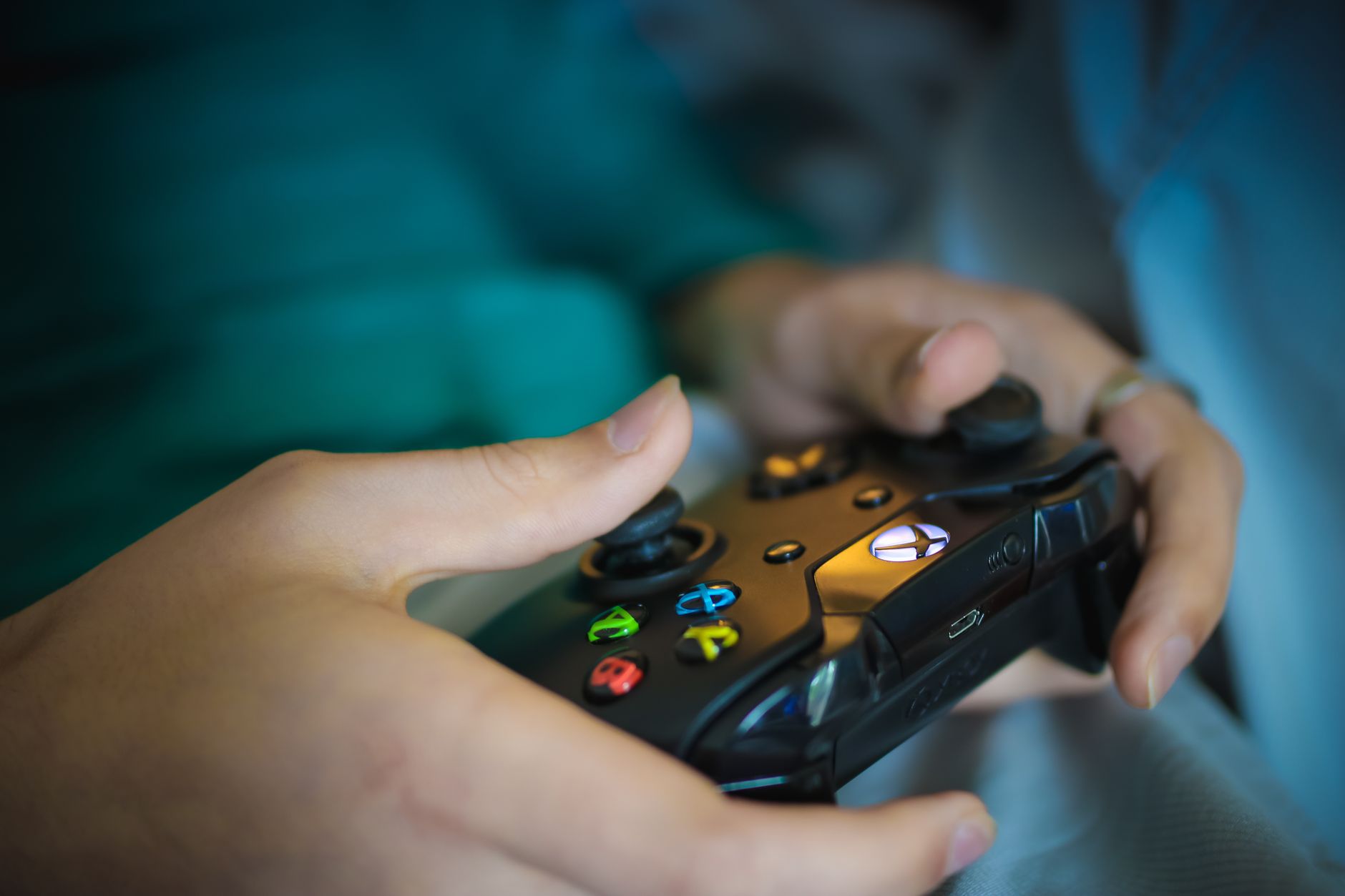
Photo by Pixabay on Pexels