

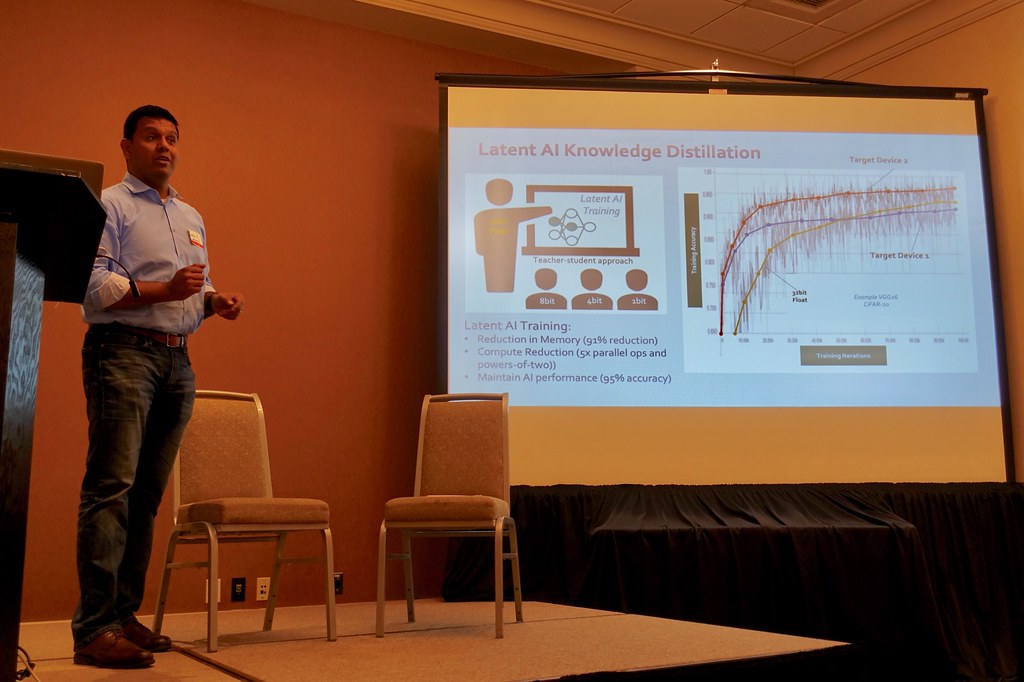
AI model security is becoming increasingly important as developers step up their efforts to protect their innovations. With the market expanding beyond coding, ensuring safety is a top priority.
Understanding AI Model Security
As the landscape of artificial intelligence continues to evolve, AI model security has become a critical concern for developers and organizations alike. With the increasing deployment of AI models across various industries, the potential for vulnerabilities and threats is growing. Understanding the security challenges associated with AI models is essential for ensuring their safe and effective use.
AI models can be susceptible to several types of risks, including data poisoning, adversarial attacks, and model inversion. These threats can compromise the integrity and confidentiality of the models, leading to significant repercussions for businesses. To effectively address these risks, developers must adopt a proactive approach to security.
Key strategies to enhance AI model security include:
- Regular Auditing: Conduct frequent assessments of AI models to identify potential vulnerabilities and ensure compliance with security protocols.
- Robust Training Data: Ensure that the data used to train models is clean and representative, minimizing the risk of data poisoning.
- Adversarial Training: Implement techniques that enhance the model’s resilience against adversarial attacks, thus improving its overall robustness.
- Access Control: Enforce strict access controls to limit who can interact with AI models and the data they utilize.
By prioritizing AI model security, developers can help safeguard their innovations and build trust in AI technologies.
Why Developers Are Prioritizing Security
In an increasingly competitive landscape, developers are prioritizing security measures for AI models to safeguard their innovations and maintain user trust. The growing reliance on AI technologies has prompted concerns over vulnerabilities that can be exploited by malicious actors.
Several factors are driving this shift towards enhanced security:
- Data Breach Risks: With sensitive data being integral to AI model training, developers recognize that breaches can lead to severe repercussions, including loss of proprietary information and legal liabilities.
- Regulatory Compliance: As governments intensify regulations surrounding data protection, developers must ensure their AI models comply with industry standards to avoid penalties.
- Reputation Management: A single security incident can tarnish a developer’s reputation and erode consumer trust, making it vital to implement robust security measures.
- Client Demands: As businesses increasingly adopt AI solutions, clients are prioritizing partnerships with developers who demonstrate a commitment to security, making it a key differentiator in the market.
As such, AI model security has become a crucial aspect of the development process, influencing design choices and encouraging a proactive approach to risk management. By focusing on security, developers can not only protect their models but also foster greater adoption of their technology.
AI Model Security Trends to Watch
As the landscape of artificial intelligence continues to evolve, AI model security trends are becoming increasingly important for developers. With the rapid adoption of AI technologies across various industries, the need for robust security measures is more critical than ever. Here are some key trends to watch:
- Increased Focus on Data Privacy: Developers are prioritizing the protection of sensitive data used in training AI models, ensuring compliance with regulations such as GDPR and CCPA.
- Adoption of Secure Coding Practices: There is a growing emphasis on incorporating security into the software development lifecycle, enabling developers to build more resilient AI systems from the ground up.
- Utilization of Advanced Threat Detection: AI models are being integrated with machine learning algorithms that can detect and respond to security threats in real-time, enhancing overall security posture.
- Collaborative Security Frameworks: Developers are leveraging community-driven initiatives to share insights and best practices around AI model security, fostering a collective approach to addressing vulnerabilities.
- Investment in Cybersecurity Training: Organizations are increasingly investing in training programs to equip developers with the necessary skills to identify and mitigate security risks associated with AI models.
These trends highlight the ongoing commitment of developers to enhance AI model security as they navigate the complexities of an expanding market.
Best Practices for Securing AI Models
As AI technology continues to evolve, developers must adopt best practices for securing AI models to mitigate potential risks. Here are some proven strategies that can help enhance AI model security:
- Data Encryption: Ensure that all data used for training AI models is encrypted. This protects sensitive information from unauthorized access and helps maintain confidentiality.
- Access Control: Implement strict access controls to limit who can interact with the AI models. Utilize role-based access to ensure that only authorized personnel can make changes or access sensitive data.
- Regular Audits: Conduct regular security audits to identify vulnerabilities in the AI model and its surrounding infrastructure. This proactive approach allows for timely remediation of potential threats.
- Model Monitoring: Continuously monitor AI model performance and behavior. Anomalies may indicate security breaches or adversarial attacks, allowing for quick response measures.
- User Training: Educate users and developers about the importance of AI model security. A well-informed team can recognize potential threats and adhere to best practices.
Incorporating these strategies can significantly enhance AI model security, ensuring that developers are prepared to face the challenges of an evolving landscape.
The Future of AI Development and Security
The future of AI development is increasingly intertwined with the measures taken to enhance AI model security. As AI applications proliferate across various industries, the necessity for robust security frameworks becomes more critical than ever. Developers are now tasked with ensuring that their models not only perform efficiently but also remain secure against an array of potential threats.
One key trend shaping the landscape is the rise of automated security tools designed specifically for AI models. These tools can identify vulnerabilities early in the development process, allowing developers to address issues before deployment. Additionally, incorporating security into the AI development lifecycle is becoming a standard practice, with teams adopting methodologies that include security assessments and continuous monitoring.
Moreover, as regulatory environments evolve, adherence to data protection and privacy laws will further influence AI model security practices. Developers must stay informed about compliance requirements and integrate them into their security strategies.
In this dynamic environment, collaboration between developers, security experts, and policymakers is essential. As the AI market expands beyond mere coding, the focus on AI model security will not only help safeguard sensitive data but also foster trust among users and stakeholders alike.
- Investment in automated security tools
- Integration of security into development processes
- Collaboration across sectors for compliance
By jurvetson via Openverse
Where this came from
You might also like
AI-drafted reports: The Worst Risky Trends to Avoid · Phasmophobia Resonance Update: Best Tips for Smart Gameplay · Unsafe AI models: Are They the Worst Threat to Progress?
