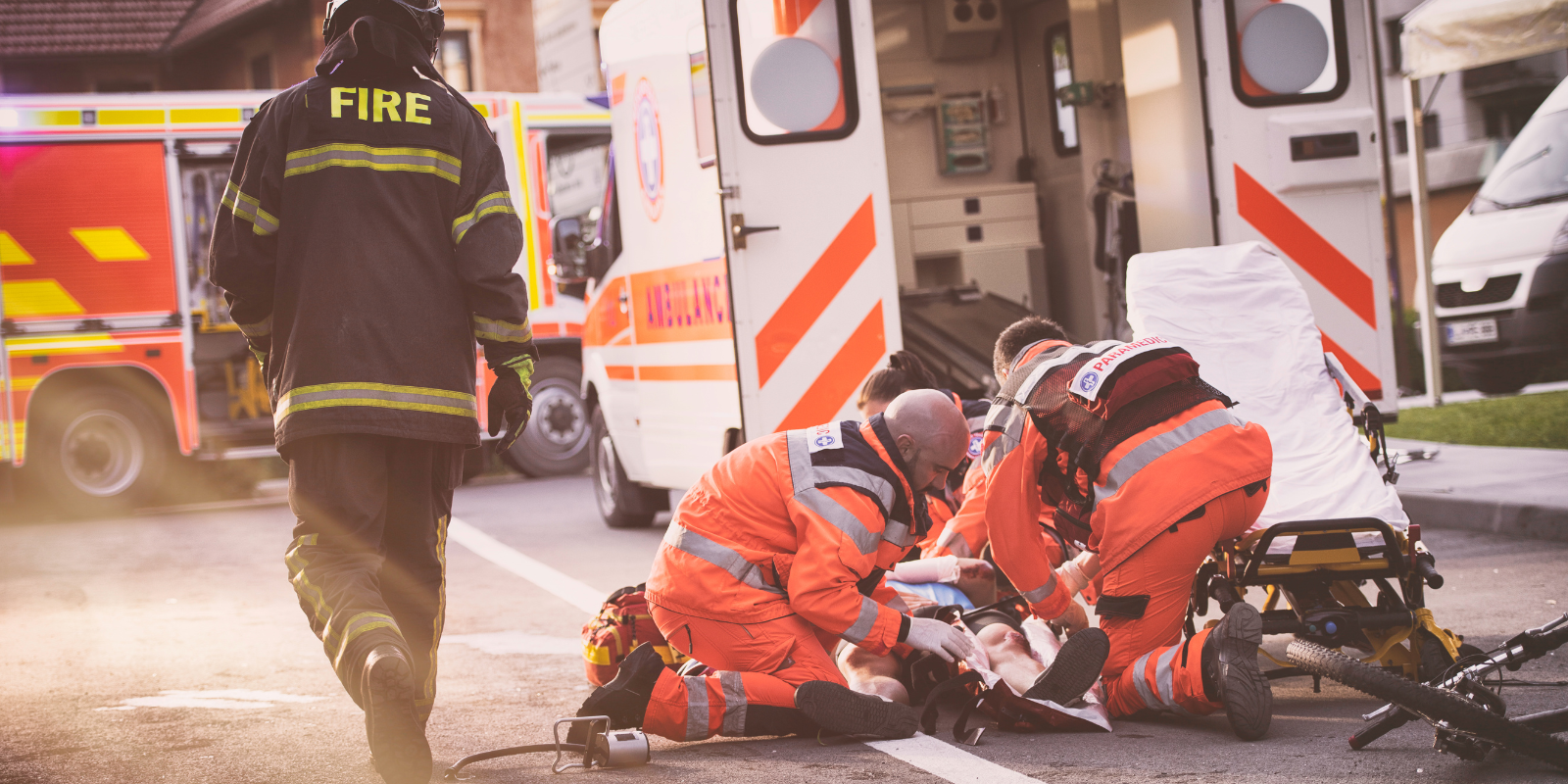
First responders—police officers, firefighters, paramedics, and emergency medical technicians—are often the first line of defense in times of crisis. They rush toward danger to save lives, face traumatic events daily, and are often exposed to situations that most people would find unimaginable. As a result, the emotional and psychological toll of their work can be profound. Post-Traumatic Stress Disorder (PTSD) is a mental health condition that is common among first responders, given the nature of their jobs. PTSD can manifest in various ways, including flashbacks, nightmares, severe anxiety, and emotional numbing.
Fortunately, specialized mental health support for first responders in Orange County has become more specialized, recognizing the unique challenges these professionals face. Treatment options are designed to address the root causes of trauma while helping first responders regain a sense of control, healing, and resilience. In this article, we explore the importance of PTSD treatment for first responders, the signs of PTSD, and the most effective therapeutic approaches for managing and recovering from this condition.
Understanding PTSD in First Responders
Post-Traumatic Stress Disorder (PTSD) is a mental health disorder that occurs after a person experiences or witnesses a life-threatening event. For first responders, these events can range from violent crimes and natural disasters to accidents and tragic deaths. The impact of these traumatic experiences can be long-lasting, affecting not only the mental well-being of first responders but also their physical health, relationships, and job performance.
Symptoms of PTSD can be wide-ranging and may include:
- Intrusive memories: Flashbacks, intrusive thoughts, or nightmares about traumatic events.
- Hyperarousal: Increased anxiety, difficulty sleeping, irritability, or being easily startled.
- Avoidance: Avoiding situations or people that remind them of the traumatic event.
- Emotional numbing: Difficulty expressing emotions, feeling detached from others, or a sense of disconnection from loved ones.
For many first responders, these symptoms are part of their daily reality, and if left untreated, they can severely impact their ability to function in both their professional and personal lives.
The Importance of Specialized PTSD Treatment
The traditional approach to PTSD treatment often doesn’t account for the unique challenges faced by first responders. Therapy and support systems need to be tailored to address the types of trauma they experience regularly. Specialized PTSD treatment programs focus on providing a comprehensive, individualized approach to healing, ensuring that first responders receive the support and tools they need to recover fully.
One of the primary goals of PTSD treatment for first responders is to help them process their traumatic experiences in a safe and supportive environment. Treatment also aims to restore their ability to regulate emotions, reduce hyperarousal, and help them return to fulfilling personal and professional lives.
Effective Treatment Approaches for PTSD
When it comes to treating PTSD in first responders, there are several evidence-based approaches that have proven to be effective. These therapies are designed to target the specific symptoms of PTSD and support recovery, providing first responders with the tools they need to heal and thrive.
- Cognitive Behavioral Therapy (CBT)
Cognitive Behavioral Therapy (CBT) is one of the most widely used and effective treatments for PTSD. This therapy helps individuals identify and challenge negative thought patterns, replacing them with healthier, more adaptive ways of thinking. CBT also teaches practical coping strategies for managing anxiety and stress.
For first responders, CBT can help reframe the way they view traumatic experiences. It helps them break free from harmful thought cycles, such as self-blame or feelings of helplessness, and replace them with empowering beliefs. CBT is often paired with exposure therapy, a form of CBT that encourages gradual, controlled exposure to traumatic memories, helping individuals process and diminish the emotional intensity associated with those memories.
- Trauma-Focused Cognitive Behavioral Therapy (TF-CBT)
Trauma-Focused Cognitive Behavioral Therapy (TF-CBT) is specifically designed to help individuals who have experienced trauma. This therapy incorporates elements of traditional CBT but focuses more on the emotional and psychological impact of trauma. It helps first responders address the feelings of helplessness and fear that often accompany PTSD.
TF-CBT helps individuals develop healthy ways to process distressing memories and cope with overwhelming emotions. Through this therapy, first responders learn to gain control over their reactions to trauma and regain a sense of personal power.
- Eye Movement Desensitization and Reprocessing (EMDR)
Eye Movement Desensitization and Reprocessing (EMDR) is an innovative and highly effective therapy for PTSD. It involves guiding the individual through a series of eye movements or taps while they recall traumatic memories. The theory behind EMDR is that this bilateral stimulation helps the brain process and integrate traumatic memories, reducing their emotional charge.
For many first responders, EMDR can provide relief from vivid flashbacks and intrusive thoughts, helping them move forward without being weighed down by past experiences. It’s a particularly useful approach for individuals who have not responded well to other types of therapy.
- Mindfulness and Stress Reduction Techniques
Mindfulness-based therapy focuses on cultivating awareness of the present moment. First responders are often in high-stress, fast-paced environments, and mindfulness techniques help them center themselves amidst chaos. Through practices such as meditation, deep breathing, and body scans, mindfulness therapy encourages relaxation and helps reduce anxiety and hyperarousal.
Learning to stay present in the moment allows first responders to manage stress better, avoid rumination on past traumas, and cultivate emotional resilience. These techniques are particularly beneficial for managing the ongoing stress of the profession and preventing burnout.
- Group Therapy and Peer Support
Group therapy and peer support are especially beneficial for first responders, as they provide a space to share experiences and connect with others who understand their challenges. In a group setting, individuals can discuss their struggles, receive validation, and learn from others’ coping strategies.
Peer support also helps reduce the isolation that many first responders feel. Sharing experiences in a safe, non-judgmental space creates a sense of camaraderie and mutual understanding, promoting healing and a sense of belonging.
Building a Supportive Environment for Recovery
A key aspect of effective PTSD treatment is creating an environment that encourages healing. First responders need to feel safe and supported as they work through their trauma. This requires access to not only therapy but also a broader network of resources, such as wellness programs, family support, and resilience training.
Departments and organizations that support first responders must prioritize mental health as a central aspect of overall well-being. By offering easy access to PTSD treatment and fostering a culture of openness around mental health, they can ensure that first responders feel empowered to seek help when they need it most.
Moving Toward Resilience and Healing
PTSD treatment for first responders is not just about alleviating symptoms—it’s about empowering these brave individuals to heal, recover, and thrive. By providing tailored, effective treatment options, first responders can regain a sense of control over their mental health and continue to serve their communities with strength and resilience.
Through specialized PTSD treatment programs, first responders can learn to cope with trauma, rebuild emotional connections, and return to their work with renewed focus and determination. These therapeutic approaches not only benefit their mental well-being but also enhance their ability to perform their jobs effectively, contributing to safer, more supportive communities for everyone.
Conclusion
The mental health of first responders is just as important as their physical health. PTSD treatment is a vital part of supporting these everyday heroes, allowing them to heal from the psychological toll of their work. By utilizing specialized therapeutic methods such as CBT, EMDR, mindfulness, and peer support, first responders can overcome the effects of trauma and reclaim their lives. As awareness and access to mental health resources continue to grow, the future is bright for first responders, with more effective and compassionate care paving the way for long-term healing and resilience.