

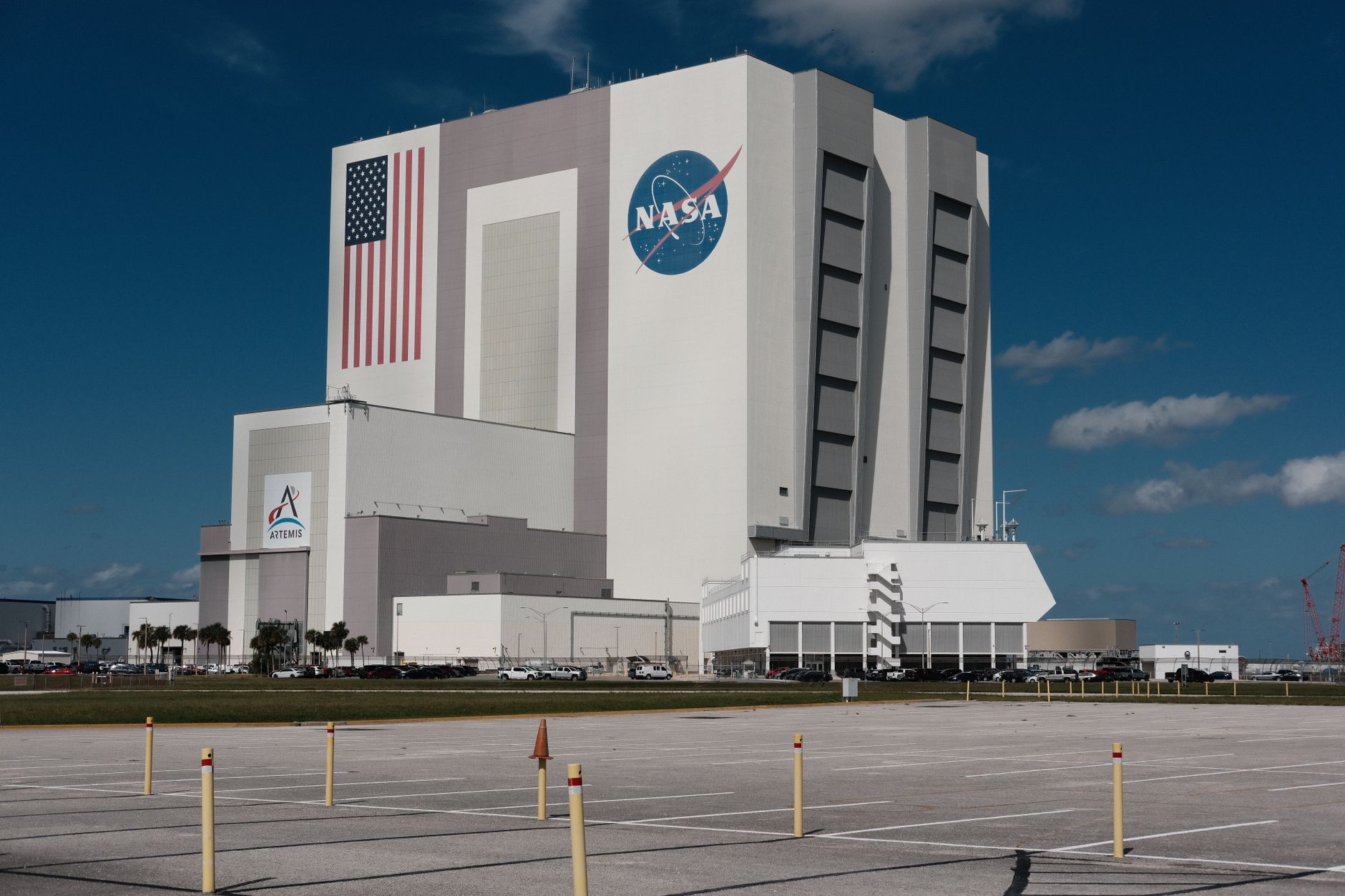
NASA Artemis moon race is heating up as key players like Jared Isaacman weigh in on the future of lunar exploration. With competition from China, the stakes have never been higher.
Overview of the Artemis Program
The Artemis program, initiated by NASA, aims to return humans to the Moon and establish a sustainable presence by the end of the decade. This ambitious initiative is seen as a critical step towards future missions to Mars and beyond. The program is named after Artemis, the twin sister of Apollo, symbolizing a new era of lunar exploration.
NASA’s Artemis moon race has several key objectives:
- Human Landing: To land “the first woman and the next man” on the lunar surface.
- Gateway: To create a lunar orbiting outpost, known as the Gateway, that will support deep space exploration.
- Scientific Research: To conduct scientific experiments and gather data that can benefit humanity.
- International Collaboration: To work with international partners and commercial space entities, fostering a global effort towards space exploration.
With the increasing interest from other countries in lunar exploration, the Artemis program is viewed as not only a race to the Moon but also a strategic move in maintaining leadership in space technology and exploration.
China’s Role in the Moon Race
As the NASA Artemis moon race gains momentum, China’s ambitions in lunar exploration are becoming increasingly significant. Recently, Chinese officials have expressed their intention to establish a permanent lunar base by the 2030s, which poses a challenge to the United States’ goals under the Artemis program. This development raises questions about international collaboration and competition in space.
China’s lunar endeavors include:
- Chang’e Missions: The successful Chang’e 4 mission, which made history by landing on the far side of the Moon, demonstrates China’s growing capabilities in space exploration.
- Sample Return Missions: The Chang’e 5 mission successfully returned lunar samples in 2020, showcasing advanced technology.
- International Partnerships: China is actively seeking collaborations with countries like Russia and others in the Asia-Pacific region to further its moon exploration initiatives.
Experts believe that China’s progress in lunar exploration could serve as both a motivator and a catalyst for NASA. The Artemis moon race might not only be about reaching the Moon first but also about establishing a sustainable presence that can foster international cooperation and competition in the years to come.
Key Players in Lunar Exploration
The NASA Artemis moon race has witnessed significant involvement from various key players in the realm of lunar exploration. These contributors are essential to the mission’s success and the broader aspirations of returning humans to the Moon.
- NASA: As the primary agency behind the Artemis program, NASA is leading efforts to establish a sustainable presence on the Moon. Their innovative technologies and commitment to exploration are pivotal in this race.
- Private Industry Partners: Companies like SpaceX and Blue Origin are vital to the Artemis program. SpaceX’s Starship is expected to play a crucial role in transporting astronauts to the lunar surface.
- International Collaborators: Countries such as Canada, Japan, and members of the European Space Agency are collaborating with NASA on various aspects of the Artemis program, including the Lunar Gateway project.
- Scientific Community: Researchers and scientists from around the world are contributing their expertise to ensure that the scientific objectives of the Artemis missions are met, enhancing our understanding of lunar geology.
As these key players unite, the NASA Artemis moon race stands as a promising venture with the potential for unprecedented achievements in human space exploration.
Challenges Facing NASA
The NASA Artemis moon race presents a series of challenges that the agency must navigate to achieve its ambitious goals. One significant challenge is securing adequate funding. While the Artemis program has garnered political support, fluctuations in budget allocations could jeopardize its timeline and objectives.
Another hurdle lies in the development of new technology. As NASA aims to land humans on the Moon and establish a sustainable presence, it requires advanced systems for transportation, habitats, and life support. Delays in technology development can lead to missed deadlines.
Moreover, the competition with other nations, particularly China, adds pressure. China’s advancements in lunar exploration pose a strategic challenge for NASA, pushing the agency to accelerate its efforts in the Artemis moon race.
In addition, the environmental considerations of lunar exploration must be addressed. Ensuring that missions do not cause long-term damage to the lunar environment is crucial for future exploration.
Finally, the ongoing global issues, including the pandemic, have disrupted supply chains, which may affect the program’s pace. Overcoming these challenges is essential for NASA to realize the full potential of the Artemis program.
Future of Space Exploration
The future of space exploration is increasingly intertwined with the ongoing NASA Artemis moon race. As nations and private entities invest in lunar missions, the potential for international collaboration and competition grows. This new era of exploration is marked by advancements in technology, which could pave the way for sustainable human presence on the Moon and beyond.
NASA’s Artemis program aims to land the first woman and the next man on the lunar surface by the mid-2020s, heralding a new chapter in our understanding of the Moon and its resources. With plans for a lunar base, known as the Lunar Gateway, the Artemis initiative is expected to facilitate deeper space exploration, including potential missions to Mars.
Meanwhile, countries like China are ramping up their lunar ambitions, challenging NASA to maintain its leadership in space. The international community is watching closely as partnerships and rivalries shape the landscape of space exploration.
As the Artemis moon race unfolds, the collaboration between government agencies and private sector players will be crucial. Only time will tell if the current efforts will lead to a successful and sustainable future in space.
The NASA Artemis moon race represents a significant investment in space exploration and technology. Many experts believe that the NASA Artemis moon race could pave the way for sustainable human presence on the Moon and beyond.
Photo by Lando Dong on Pexels
