

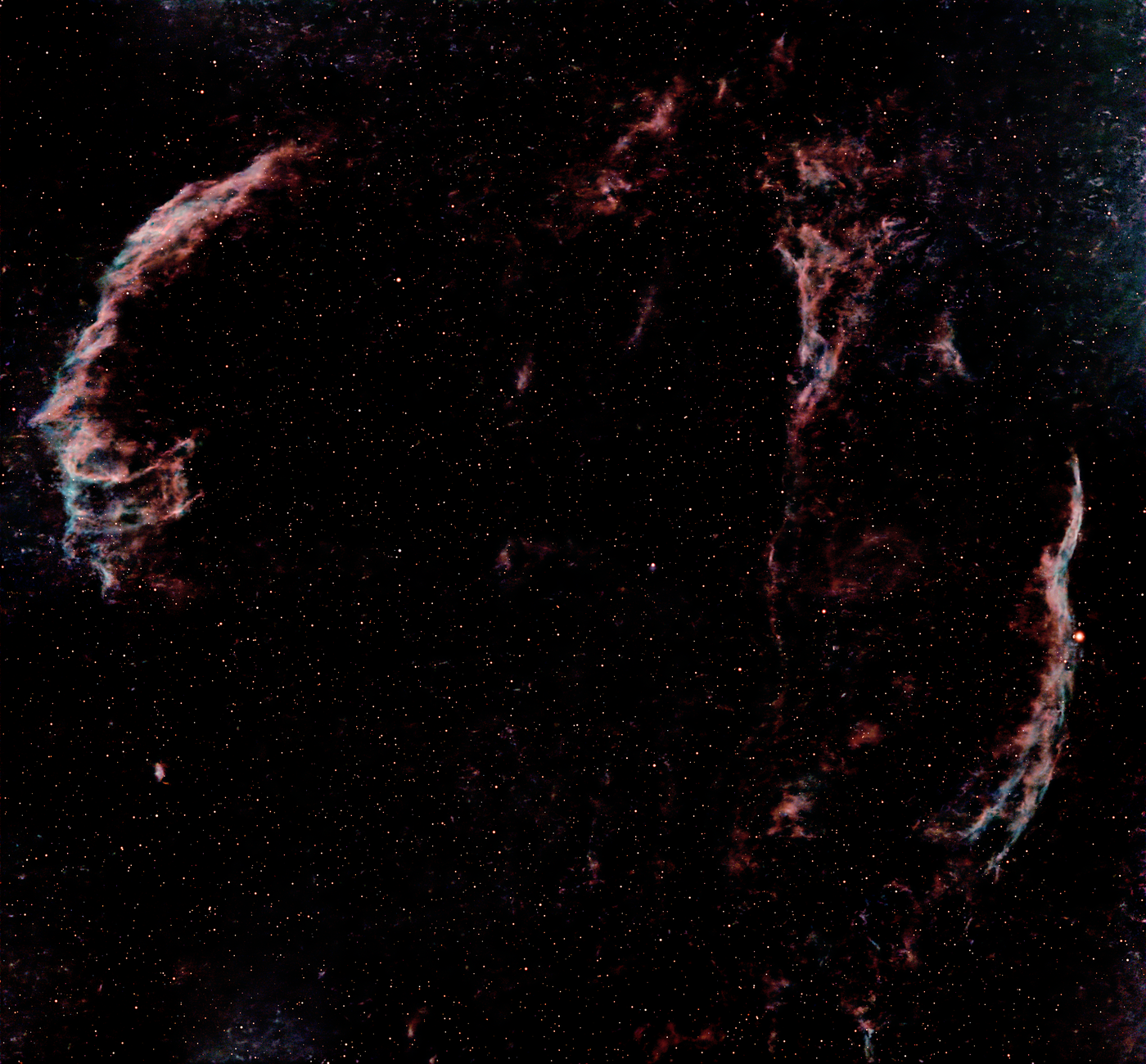
Supernova Remnant Pa 30 is a captivating cosmic phenomenon that has intrigued scientists and astronomy enthusiasts alike. This article delves into its significance and the discoveries surrounding it.
What is Supernova Remnant Pa 30?
Supernova Remnant Pa 30 is an intriguing astronomical object located in our galaxy. Formed from the explosive death of a massive star, this remnant offers valuable insights into the life cycles of stars and the processes that govern their evolution. The remnants of such supernovae are crucial for understanding the chemical enrichment of the universe, as they disperse heavy elements into surrounding space.
Pa 30 is particularly fascinating due to its unique characteristics, including:
- Size: It spans several light-years across, providing a vast area for study.
- Composition: The remnants contain various elements, including oxygen, carbon, and iron, which are essential for understanding stellar nucleosynthesis.
- Interaction with Surroundings: The way Pa 30 interacts with nearby interstellar material can reveal information about the dynamics of the galaxy.
By studying Supernova Remnant Pa 30, astronomers hope to uncover more about the fate of massive stars and the ongoing evolution of our universe.
The Discovery of Pa 30
The discovery of Supernova Remnant Pa 30 has fascinated astronomers since its identification in the early 1980s. Located approximately 10,000 light-years away, this remnant is a result of a stellar explosion that occurred thousands of years ago. Its unique characteristics offer valuable insights into the life cycle of stars and the dynamics of supernova remnants.
Researchers first detected Pa 30 using radio telescopes, which revealed its complex structure and composition. Subsequent observations in various wavelengths, including optical and X-ray, have provided a more comprehensive understanding of the remnant’s properties.
Notably, Pa 30 is distinguished by its asymmetric shape and the presence of high-energy particles, which indicate ongoing processes in the aftermath of the supernova. The study of this remnant is crucial for unraveling the mysteries surrounding stellar explosions and their remnants.
Scientists continue to explore Pa 30, hoping to uncover further details about the mechanisms driving supernovae and the evolution of the universe.
Importance of Studying Supernova Remnants
Studying supernova remnants, such as Supernova Remnant Pa 30, is crucial for several reasons. These remnants provide valuable insights into the life cycle of stars and the processes that lead to supernova explosions. Understanding these phenomena helps astronomers piece together the history of the universe and the evolution of galaxies.
Additionally, supernova remnants play a significant role in enriching the interstellar medium with heavy elements, which are essential for the formation of new stars and planets. By analyzing the composition and structure of remnants like Pa 30, researchers can learn more about the chemical evolution of the cosmos.
Furthermore, supernova remnants are vital for studying cosmic rays and high-energy astrophysics. They serve as natural laboratories for understanding fundamental physics under extreme conditions. As scientists continue to explore these remnants, they uncover new knowledge that can shed light on the underlying mechanics of the universe.
In summary, the importance of studying supernova remnants, including Supernova Remnant Pa 30, cannot be overstated, as they are key to unlocking many mysteries of the universe.
How Supernova Remnants Form
Supernova remnants, such as Supernova Remnant Pa 30, form from the explosive death of massive stars. When a star exhausts its nuclear fuel, it can no longer support itself against gravitational collapse. This results in a catastrophic explosion known as a supernova, which ejects the star’s outer layers into space.
As these materials spread out, they create a nebula that is rich in heavy elements formed during the star’s life and the explosion itself. This process can be broken down into several key stages:
- Initial Explosion: The supernova ejects material at high velocities.
- Expansion Phase: The ejected material begins to interact with the surrounding interstellar medium.
- Cooling and Fragmentation: As the remnant expands, it cools down, leading to the formation of complex structures.
- Long-Term Evolution: Over thousands of years, the remnant evolves, enriching the surrounding space with newly formed elements.
This remarkable lifecycle highlights the importance of studying remnants like Pa 30, as they play a crucial role in the cosmic ecosystem.
Recent Findings About Pa 30
Recent observations of Supernova Remnant Pa 30 have provided astronomers with valuable insights into the processes that govern stellar evolution and the dynamics of supernova remnants. One of the most significant findings is the detection of complex molecular structures within the remnant, indicating that the material expelled during the explosion is interacting with the surrounding interstellar medium.
Additionally, researchers have noted unusual emissions from certain regions of Pa 30, suggesting the presence of high-energy particles that could enhance our understanding of cosmic ray acceleration. These emissions are believed to be a result of shock waves from the supernova interacting with surrounding gas and dust.
Furthermore, studies have revealed that the remnants of Pa 30 are expanding at a remarkable rate, providing clues about the energy dynamics post-explosion. This rapid expansion could help scientists refine their models of supernova behavior and the lifecycle of stellar remnants.
Overall, the ongoing research into Supernova Remnant Pa 30 continues to unveil the complexities of cosmic phenomena and their implications for the universe.
Future Research Directions for Pa 30
As researchers continue to unravel the mysteries surrounding Supernova Remnant Pa 30, future studies aim to enhance our understanding of its formation and evolution. One promising direction involves detailed spectroscopic analysis to investigate the chemical composition of the remnant. By examining the elemental makeup, scientists hope to glean insights into the processes that occurred during the supernova explosion.
Another important avenue of research focuses on the remnant’s interaction with surrounding interstellar medium. Understanding how Pa 30 influences and is influenced by its environment could provide valuable information about the lifecycle of stars and the evolution of galaxies.
Additionally, advancements in imaging technology may allow astronomers to visualize the remnant in unprecedented detail. This could lead to new discoveries about shock waves and their impact on star formation.
Overall, the study of Supernova Remnant Pa 30 not only contributes to our knowledge of stellar phenomena but also enhances our comprehension of the universe’s intricate dynamics.
Photo by Del Woodcock on Pexels
