

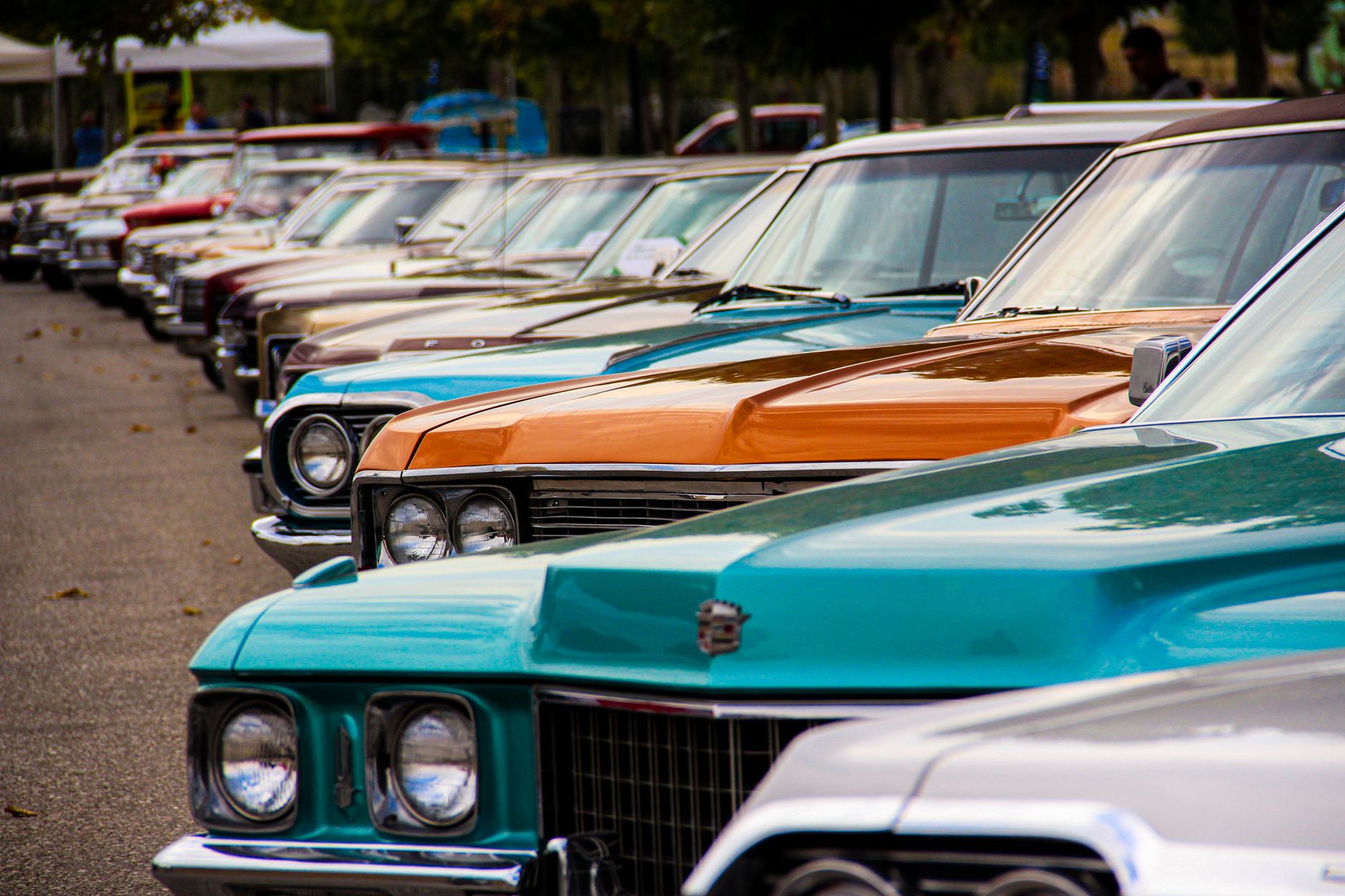
Classic car definition is evolving as younger collectors prize less heralded models. This shift highlights a growing appreciation for unique vehicles that aren’t traditionally recognized as classics.
What is a Classic Car?
A classic car is often defined as an automobile that holds significant historical interest and is typically at least 20 years old. These vehicles are celebrated not only for their age but also for their design, performance, and the nostalgia they evoke among car enthusiasts. While the term can vary depending on the context, many collectors and enthusiasts agree that the classic car definition encompasses vehicles that have reached a certain level of recognition in automotive history.
For younger collectors, the allure of classic cars lies in their ability to blend style with affordability. Many less heralded models, which may not yet command the high prices of more famous classics, offer a unique opportunity for new collectors to enter the market. Consider the following aspects when exploring classic cars:
- Historical Value: Look for models that have made a mark in automotive history.
- Condition: The state of the vehicle can significantly influence its value and collectability.
- Rarity: Limited production models often attract more interest among collectors.
By understanding the classic car definition and recognizing the potential in overlooked models, young collectors can build a diverse and valuable collection.
Trends Among Younger Collectors
In recent years, trends among younger collectors have shifted towards a more eclectic selection of vehicles, reflecting a desire for unique and less heralded models. As they redefine the classic car definition, these collectors are moving away from mainstream choices, seeking out vehicles that tell a story or represent a specific era of automotive history.
Many young collectors are particularly drawn to:
- Affordable Sports Cars: Compact and agile models from the ’80s and ’90s have gained popularity, appealing to those who appreciate performance without breaking the bank.
- Restomods: Customized classic cars that combine vintage aesthetics with modern technology are increasingly sought after, providing the best of both worlds.
- Overlooked Brands: Lesser-known manufacturers, like the iconic models from brands such as Datsun and Fiat, are becoming more desirable as collectors seek to stand out.
As younger enthusiasts take the reins of the collector market, they are shaping a new narrative around what constitutes a classic car, emphasizing personal connection and individuality over traditional prestige.
Why Less Heralded Models Matter
In the realm of classic cars, less heralded models often hold unique value that appeals to younger collectors. While iconic brands like Ford and Chevrolet dominate discussions, there are numerous underrated vehicles that deserve recognition. These models not only represent a different era of automotive design but also offer collectors a chance to own something distinctive.
Young collectors are increasingly turning their attention to these lesser-known cars for several reasons:
- Affordability: Many less heralded models are available at a lower price point, making them more accessible for novice collectors.
- Unique History: These cars often have interesting backstories that reflect the cultural and technological shifts of their time.
- Community: Owning a classic car, particularly a lesser-known one, can foster connections among enthusiasts who appreciate the rarity and craftsmanship.
- Potential for Appreciation: As interest in classic cars grows, so does the likelihood that these models will increase in value.
In summary, exploring the definition of classic cars reveals that less heralded models can offer both personal satisfaction and investment potential.
The Future of Classic Cars
The future of classic cars looks promising, particularly as younger collectors are starting to redefine what constitutes a classic car definition. This new generation is not just focused on the well-known models; they are increasingly interested in vehicles that tell unique stories and offer a different driving experience.
As these collectors dive into the market, they are bringing diverse tastes and preferences to the forefront. Many are drawn to less heralded models, which can often be more affordable and provide a sense of individuality. This shift could lead to a resurgence in the appreciation of vehicles that were once overlooked.
Furthermore, the rise of electric vehicles is prompting discussions about what the term “classic” will mean in the future. As technology evolves, younger collectors may start to include electric classics in their collections, blurring the lines of traditional definitions.
In the years to come, the classic car community will likely continue to evolve, embracing a wider variety of models and styles. This shift not only enriches the hobby but also fosters a sense of connection among collectors from different generations.
Understanding the classic car definition is essential for young collectors looking to make informed decisions about their investments. By exploring the classic car definition, enthusiasts can identify the best models that not only hold value but also offer a rewarding ownership experience.
Photo by Sümeyye Candan on Pexels
